What Counts as a Real Money Table Game
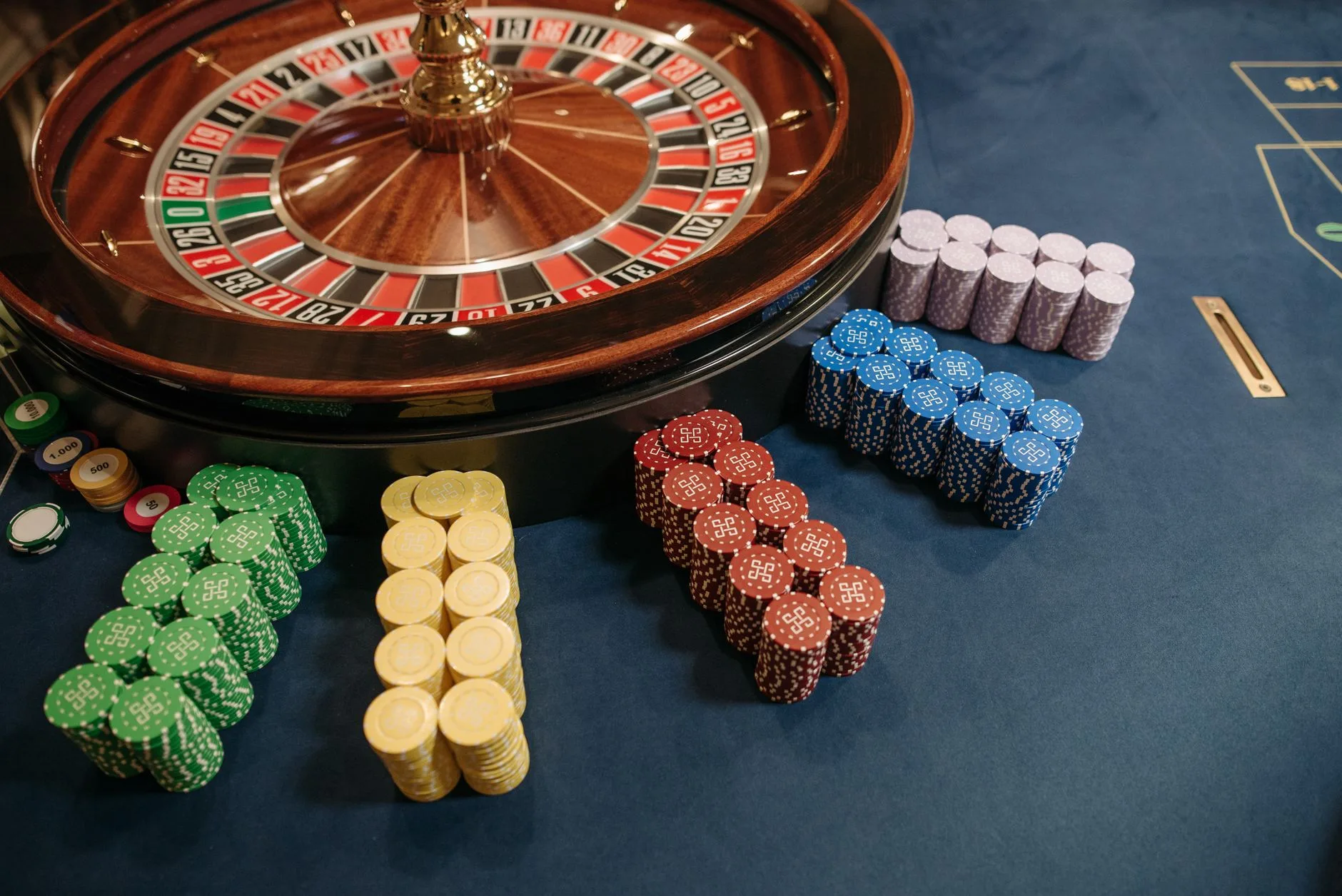
Real money table games are the dealer- or wheel-run games played across a physical or virtual table layout, and they sit apart from slots in almost every way that matters. Where a pokie spins reels on a random number generator, real money table games use dealt cards or a spun wheel to determine outcomes, giving players decisions, betting positions and pacing they can control. The core family is small but deep: Blackjack, Roulette, Baccarat, plus Poker variants and Craps. Because each game carries its own rules and maths, this hub links out to game-specific strategy and comparison guides so you can go deep once you understand the basics of how to play casino games for real stakes.
How Real Money Table Games Actually Work
Every table game runs on the same three-step loop, whether you’re at a live venue in Melbourne or on your phone. Table Game Rules Variance affects how outcomes are determined across game types, but the underlying sequence stays consistent:
- Wager placement — you put chips on a betting spot before the round begins.
- Outcome determination — a dealer deals cards or spins a wheel, or in online play an RNG or a live dealer stream produces the result.
- Payout resolution — winning bets are paid at fixed odds and losing bets are collected.
The dealer (or the RNG in RNG-based games, or a real croupier in live-dealer streams) enforces the rules and settles every bet. Unlike slots, table games move at a pace you help set, and they reward interaction — you choose when to bet, how much, and often what to do mid-hand.
House Edge Across Table Games
House Edge is the built-in mathematical advantage the casino holds on every wager, expressed as a percentage of each bet it expects to keep over the long run. House Edge determines the long-term advantage held by the casino in Table Games, and it varies widely between games. Skill-based play matters too — Blackjack has a lower House Edge than most other Table Games when optimal strategy is used, dropping close to 0.5%. Your choice of Roulette wheel can double the edge you face, and knowing House Edge figures before you sit down is the single easiest way to stretch a bankroll.
| Game | Typical House Edge | Main driver |
|---|---|---|
| Blackjack | 0.5%–1.5% | Player strategy and rules |
| Baccarat (Banker) | 1.06% | Fixed third-card rule |
| Roulette (European) | 2.70% | Single zero |
| Roulette (American) | 5.26% | Double zero |
Blackjack Rules and How the Game Plays Out
The aim is simple: beat the dealer’s hand without going over 21. On your turn you can hit (take a card), stand (keep your total), double (double your bet for one card) or split (separate a pair into two hands). Table Game Rules Variance changes the House Edge of Blackjack directly — a table where the dealer stands on soft 17 is friendlier than one where the dealer hits, and single-deck games beat eight-deck shoes.
Roulette Rules and Wheel Variants
Bets fall into two groups. Inside bets sit on specific numbers and pay big (a straight-up number pays 35 to 1); outside bets cover red/black, odd/even or columns for shorter, more frequent wins. Roulette wheel design directly influences House Edge: a European wheel has a single zero, while an American wheel adds a double zero, which is what pushes the edge from 2.70% up to 5.26%.
Baccarat Rules and Betting Options
Baccarat gives you three bets — Player, Banker or Tie. Cards are dealt to fixed rules, and a defined third-card rule decides whether either side draws again, so you make no in-hand decisions. Baccarat offers one of the lowest House Edge figures among Table Games, with the Banker bet at just 1.06%, which is remarkable for a game this simple.
Minimum Bet Structures for Real Money Table Games
Minimum Bet Structures vary across Blackjack, Roulette and Baccarat tables, and they shift by stake level, time of day and whether you’re playing RNG or live dealer. Live dealer tables often carry higher minimums than their RNG counterparts because a real croupier serves fewer hands per hour.
| Table type | Typical AUD minimum | Typical maximum |
|---|---|---|
| RNG Blackjack | $1 | $500 |
| Live Blackjack | $5 | $5,000 |
| RNG Roulette | $0.50 | $1,000 |
| Live Baccarat | $5 | $10,000 |
Skill vs Luck in Table Games
Skill vs Luck Balance positions Blackjack as more strategy-dependent than Roulette or Baccarat. Here’s where each game sits:
- Blackjack — the most skill-influenced game, where basic strategy actively lowers the edge.
- Baccarat — largely luck-based with fixed odds and no meaningful in-hand choices.
- Roulette — pure chance on every spin, with payouts set by the wheel layout.
Common Mistakes Players Make With Table Games
Chasing losses by pushing bets past a comfortable bankroll limit is the fastest way to a short session. Table Game Rules Variance is a common reason players misjudge House Edge — sitting at an American wheel or a dealer-hits-soft-17 table without noticing can quietly double your cost. And assuming all table games carry similar odds is flat wrong when the House Edge ranges from 0.5% to over 5%.
Choosing Which Real Money Table Game to Play
Match the game to what you want. Chasing the lowest House Edge points you to Baccarat’s Banker bet or well-played Blackjack. Skill vs Luck Balance helps players choose between Blackjack, Roulette and Baccarat, so if you enjoy making decisions, Blackjack rewards study, while Roulette suits players who want simple, luck-based bets. Pick your game, then dig into the game-specific strategy and rule-comparison guides linked above before you stake real money.