European vs American Roulette Which Pays Better
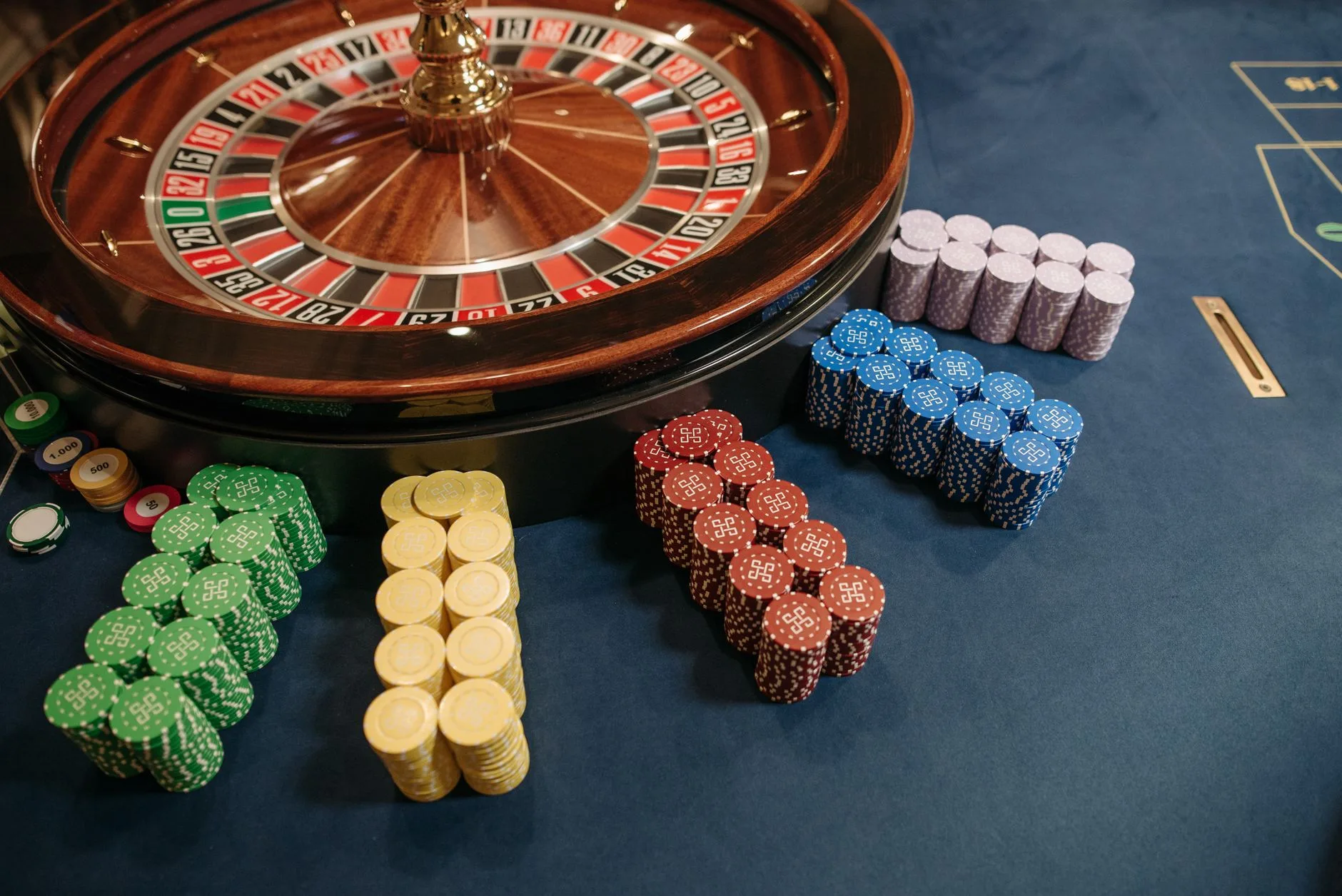
How do European and American Roulette differ?
The difference between the two most common Roulette wheels comes down to a single pocket, and that pocket decides how much the casino keeps over time. When players compare european vs american roulette, the core distinction is the single zero versus double zero wheel layout. European roulette uses a single zero wheel layout, while American roulette uses a double zero wheel layout. That extra 00 pocket in the American version quietly changes the odds on every bet you place. Both games share identical table bets, the same felt, and the same spinning wheel, but they pay out very differently over a long session because the House Edge is not the same.
What are the wheel layout differences?
The Wheel Layout Differences determine the total pocket count on a Roulette wheel, and pocket count is what shifts the maths. Here is how the two wheels stack up:
- European wheel has 37 pockets, numbered 0 through 36, with a single green zero.
- American wheel has 38 pockets, adding a second green 00 pocket alongside the 0.
- Number sequencing differs too. The European wheel spaces numbers to balance red, black, high, and low around the rim, while the American wheel arranges numbers in pairs directly opposite each other.
That single zero versus double zero split is the whole story. One extra green pocket does not sound like much, but it reshapes the true probability of every spin.
What is the European roulette house edge and payout?
European roulette carries a House Edge of 2.7 percent, thanks to that single green zero sitting among 37 pockets. On a straight-up bet, you cover one number in 37, yet the payout is only 35 to 1. That gap between true odds and payout is where the 2.7% edge lives. Even-money bets like red or black return better over volume because the lower House Edge means more of your stake stays in play across a long session, which matters most for grinding, low-variance strategies.
Straight-up bets pay 35 to 1 regardless of which wheel you spin, so the Bet Payout Odds are not what separates the two games. The single zero simply gives you slightly better odds on every wager because there is one fewer losing pocket. For Australian players hunting the best real-money value at the table, that 2.7% figure is the number to remember.
What is the American roulette house edge and payout?
American roulette carries a House Edge of 5.26 percent, almost double the European figure, and the reason is the added 00 pocket. That second green number pushes the total to 38 pockets while the Bet Payout Odds stay frozen at the European rates. A straight-up bet still pays 35 to 1, but now you are beating odds of 1 in 38 instead of 1 in 37, so the true probability of winning drops on every bet type from a single number to a column to an even-money wager.
The payouts look identical on paper, which is exactly why the double zero wheel catches casual players out. Nothing on the felt warns you that your long-term return just got worse. If you enjoy Roulette but also play cards, the same edge-awareness applies at other tables, and learning how to win at blackjack shows how small rule changes swing the maths in a similar way. It helps to understand house edge vs rtp before you sit down, because the 5.26% edge translates directly into a lower return to player percentage over time.
European vs American Roulette Payout Odds Compared
The Bet Payout Odds remain constant across European and American roulette, so the only lever that moves is the House Edge, and House Edge determines the return to player percentage in Roulette. The single zero versus double zero layout is what drives the difference in the table below.
| Feature | European Roulette | American Roulette |
|---|---|---|
| Pockets | 37 (0–36) | 38 (0, 00, 1–36) |
| Green zeros | Single zero | Double zero |
| House Edge | 2.70% | 5.26% |
| Return to player (RTP) | 97.30% | 94.74% |
| Straight-up payout | 35 to 1 | 35 to 1 |
| Split payout | 17 to 1 | 17 to 1 |
| Even-money payout | 1 to 1 | 1 to 1 |
Read across the payout rows and they match perfectly. Straight-up, split, and even-money bets all pay the same on both wheels. The gap sits entirely in the RTP line, and that 2.56% difference becomes real dollars over volume play. Bet A$1,000 across a night and the European wheel expects to cost you around A$27, while the American wheel expects to cost roughly A$53. Roulette sits alongside the other table games where these small percentage gaps compound faster than most players expect.
Which roulette version pays better for real money play?
Roulette pays better for real money players when it uses a single zero wheel, so the verdict is not close. Here is how to choose:
- Pick European roulette first. The 2.7% House Edge and 97.30% RTP make it the stronger choice for Australian players who want their bankroll to last.
- Only take the American wheel when you have to. Some live rooms or specific tables offer only the double zero layout, and if that is all that is available, tighter session limits help offset the higher edge.
- Weigh Roulette against other games. Compare Roulette’s House Edge to Blackjack, which can drop below 1% with correct play, and Baccarat, where the banker bet sits near 1.06%. Roulette is fun, but Blackjack and Baccarat often return more per dollar.
If you are building a broader table plan, line up these numbers against the wider selection of real money casino games for Australian players before committing to one game. Check the wheel before you buy in, confirm it is a single zero table, and set a loss limit that matches the 2.7% edge you are accepting. Do that consistently and you keep more of every deposit in play, spin after spin.